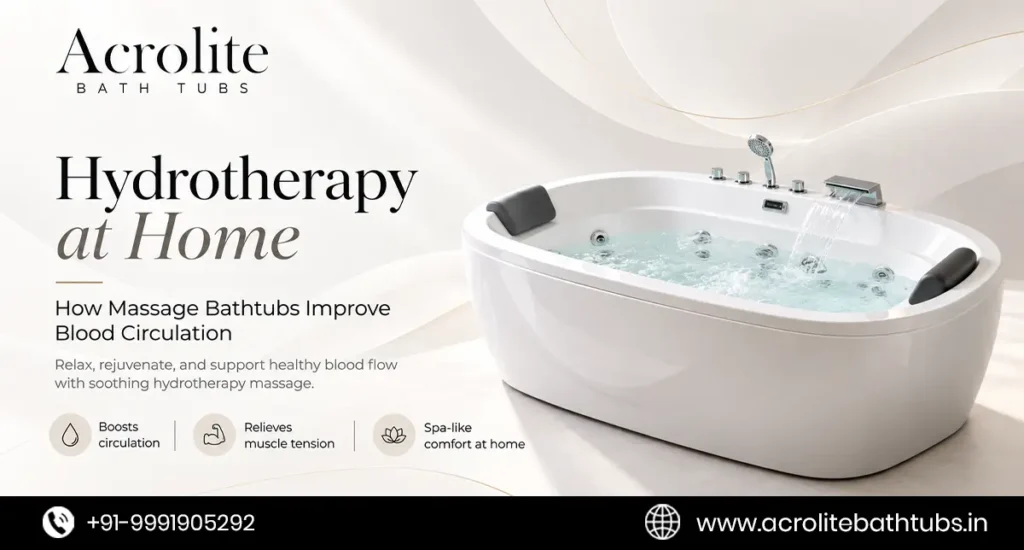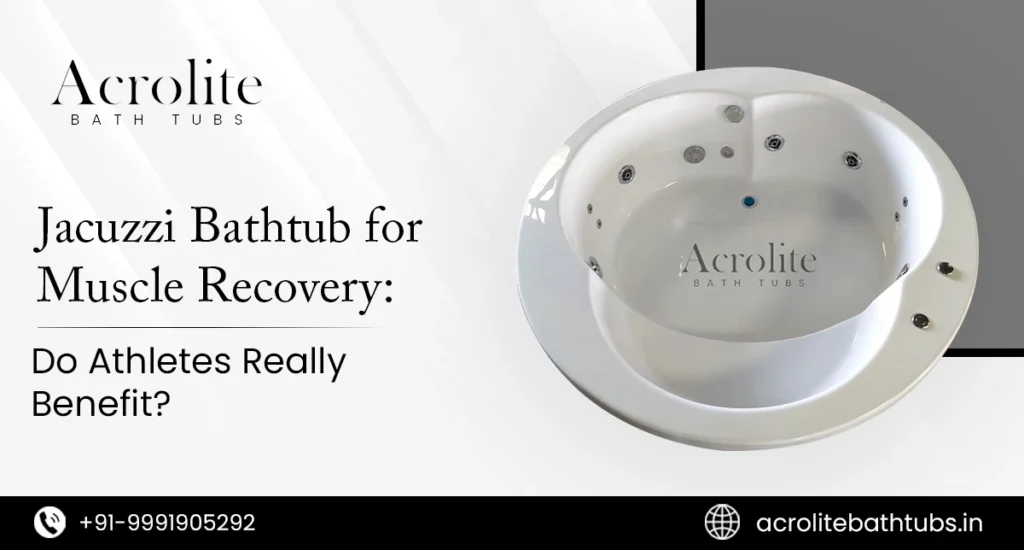

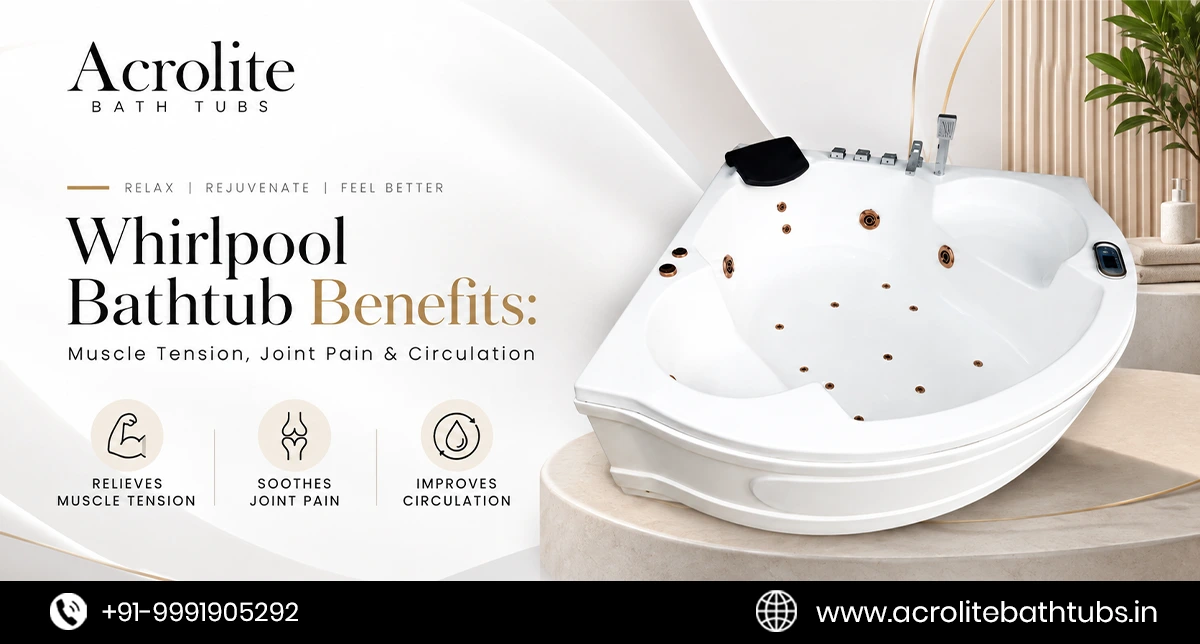
After a long, tiring day, most of us just want to sink into a warm bath and forget everything. A whirlpool bathtub takes that feeling a step further. It uses water jets to gently massage your body while you soak, so it’s not just relaxing — it actually helps with tight muscles, stiff joints, and poor circulation.
In short: the jets loosen up tense muscles, ease stiffness in your joints, and get your blood flowing better, all while you’re just lying back and enjoying the water.
What Exactly Is a Whirlpool Bathtub?
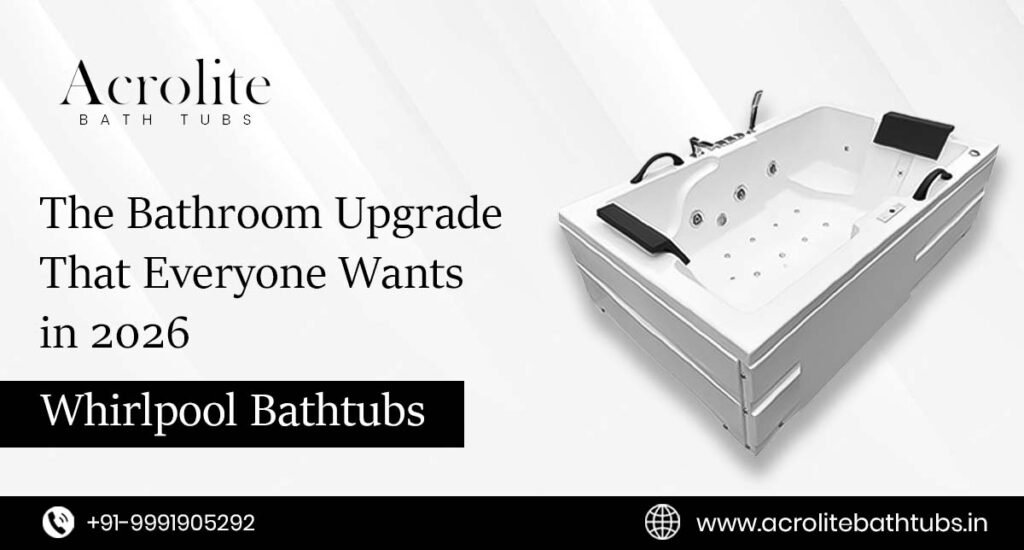
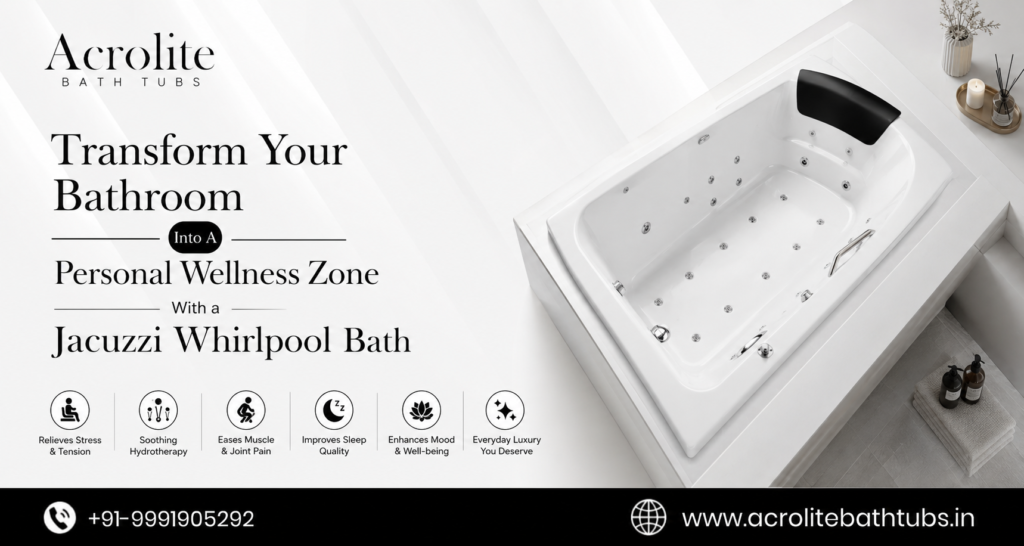
Think of it as a regular bathtub with a built-in massage feature. Jets built into the tub push out a mix of water and air, creating constant pressure against your body. At Acrolite, we design our whirlpool bathtubs with adjustable jets so you can point them wherever it hurts the most — lower back, shoulders, or legs.
How Does It Actually Help With Muscle Tension?
Warm water on its own is relaxing, sure. But add jet pressure to that, and it starts working on a deeper level. The constant pulsing pushes blood into tired, tight muscles and helps them let go of tension faster than just soaking would.
- Loosens up stiffness after a long day of standing or sitting at a desk
- Helps release tightness in your shoulders and lower back
- Speeds up recovery if you’ve been working out or doing physical labour
- Gets rid of that “knotted up” feeling in overworked muscles
Can It Help With Joint Pain Too?
It can, yes. Water naturally takes pressure off your joints — almost 90% of it, actually — and the jets massage the muscles around those joints at the same time. That’s basically why whirlpool tubs get recommended for knee, hip, or shoulder pain so often.
If you’re dealing with stiff joints from arthritis or just getting older, sitting in warm jetted water for 15-20 minutes can genuinely make moving around easier afterward. It’s not going to replace a doctor’s treatment, but it’s a nice, gentle way to deal with everyday discomfort.
Does It Really Improve Blood Circulation?
Here’s the science bit, kept simple: warm water opens up your blood vessels, and the jet pressure gives that blood an extra push to move faster. Put together, this can noticeably improve circulation, especially to areas like your hands and feet that tend to feel cold or numb.
- Warm water widens up your blood vessels
- Jets add pressure that keeps blood moving
- Better circulation means your muscles recover quicker
- Great if you’re on your feet or sitting all day at work
Acrylic Bathtub or Jacuzzi Bathtub — Which One Should You Pick?
Honestly, it comes down to what you’re looking for — a simple soak or an actual massage experience.
| Feature | Acrylic Bathtub | Jacuzzi Bathtub |
|---|---|---|
| Purpose | Just soaking, everyday bathing | Soaking + hydro massage |
| Price (India) | ₹15,000 – ₹40,000 | ₹45,000 – ₹1,50,000+ |
| Maintenance | Easy, low effort | Slightly more (jets, pump) |
| Best for | Budget-friendly bathrooms | Homes focused on wellness |
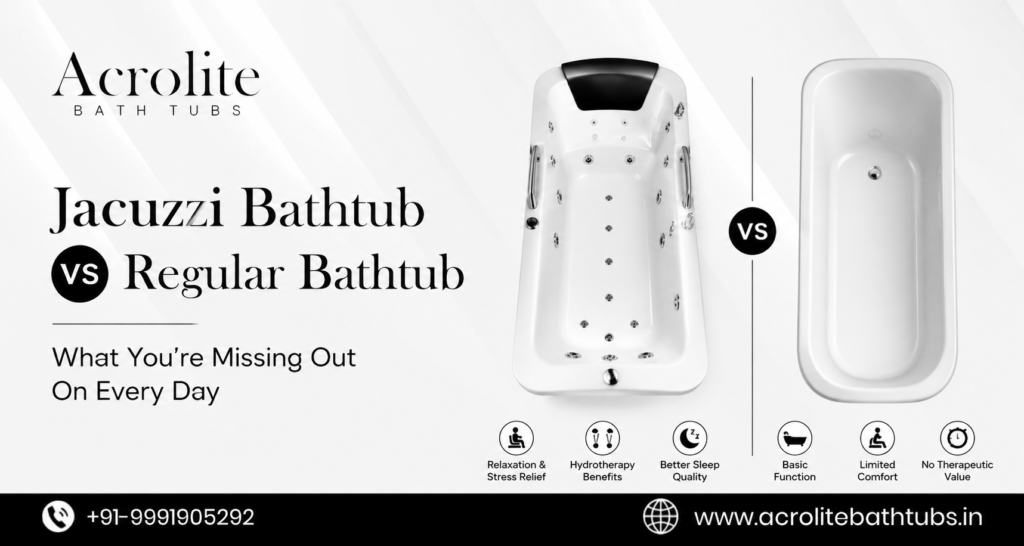
Acrylic bathtubs are light, cheaper, and simple to install — a good pick if you just want a solid bathtub without extra frills. Jacuzzi bathtubs cost more, but the massage jets genuinely add value if you deal with muscle or joint stiffness regularly.
So, What’s the Jacuzzi Bathtub Price in India?
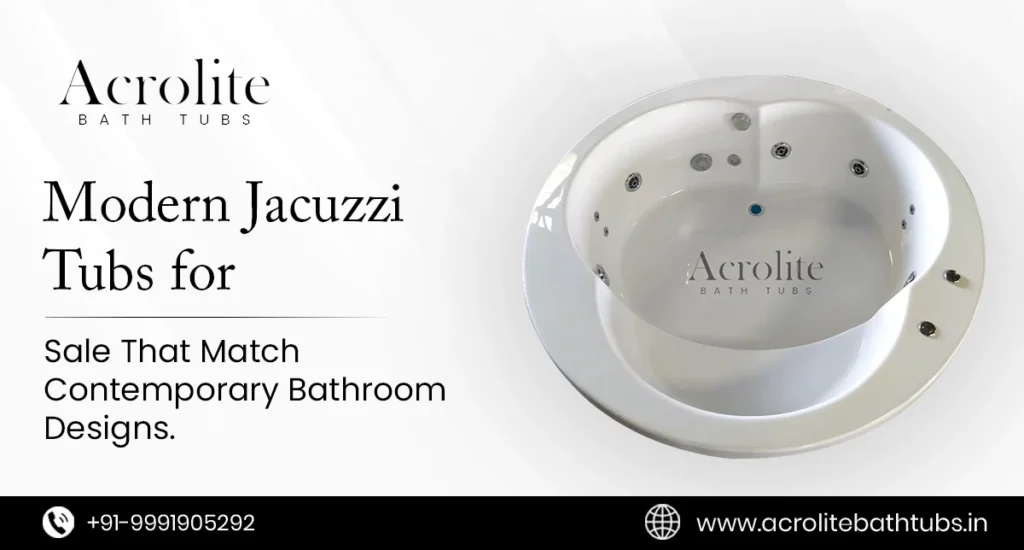
You’re looking at anywhere from ₹45,000 for a smaller model, going up to ₹1,50,000+ for bigger tubs with more jets and extra features like heating or mood lighting. The final price really depends on size, how many jets it has, and the material used.
If you’re comparing jacuzzi manufacturers in India, Acrolite sticks to durable acrylic builds with strong jet performance — so you get that spa-like feel without paying import prices for a foreign brand.
Massage Bathtub or Hydromassage Bathtub — What’s the Real Difference?
People use these terms pretty interchangeably, but there is a small difference. A massage bathtub is the broader term — any tub with jets that give you a massage. A hydromassage bathtub is more specific — it uses only water jets, no air, giving you a smoother, steadier pressure. That’s usually gentler and better if you have sensitive skin.
If you want that stronger, bubbly massage feel, go for a regular whirlpool or air-jet tub. If you’d rather have something softer and more consistent, hydromassage is the way to go.
Who’s This Actually Good For?
- Anyone with a desk job dealing with back or shoulder stiffness
- People who work out a lot and want faster muscle recovery
- Older adults managing mild joint pain
- Anyone renovating their bathroom with wellness in mind
- People who just want a spa feeling without booking an actual spa
Our whirlpool bathtubs at Acrolite are built keeping standard Indian bathroom sizes and water pressure in mind, so fitting one in doesn’t require any major bathroom overhaul.
Frequently Asked Questions
1. Can I use a whirlpool bathtub every day?
Yes, most are made for daily use. A 15-20 minute soak is usually enough to feel the benefit without overdoing it. Just make sure your heater and jet pump can handle regular daily use.
2. What’s the starting price for a jacuzzi bathtub in India?
Basic jacuzzi bathtubs start around ₹45,000, while bigger ones with more features can go past ₹1,50,000. Size, number of jets, and material are what really drive the price up.
3. Is a whirlpool bathtub hard to maintain?
Not really. Cleaning the jets every few weeks stops any buildup. A monthly cleaning cycle with mild detergent keeps everything hygienic and helps the tub last longer.
4. Does it actually help with joint pain, or is that just marketing?
It genuinely helps manage everyday stiffness and mild joint pain through the combination of warm water and jet massage. It won’t replace medical treatment, but a lot of people feel real relief from regular use.
5. What’s the difference between a massage bathtub and a plain acrylic bathtub?
A plain acrylic bathtub is just for soaking — no jets involved. A massage bathtub adds water or air jets for that extra therapeutic effect, which is why it costs more.
6. For a small Indian bathroom, should I go acrylic or jacuzzi?
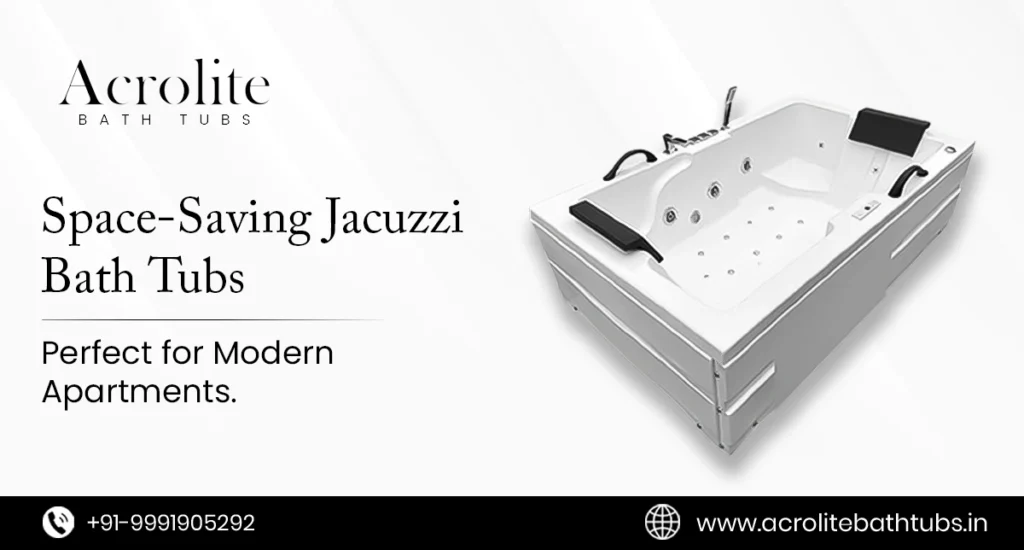
Acrylic bathtubs are lighter and easier to fit into tight spaces. But compact jacuzzi models work fine too in smaller bathrooms, as long as there’s room for the plumbing and jet pump.