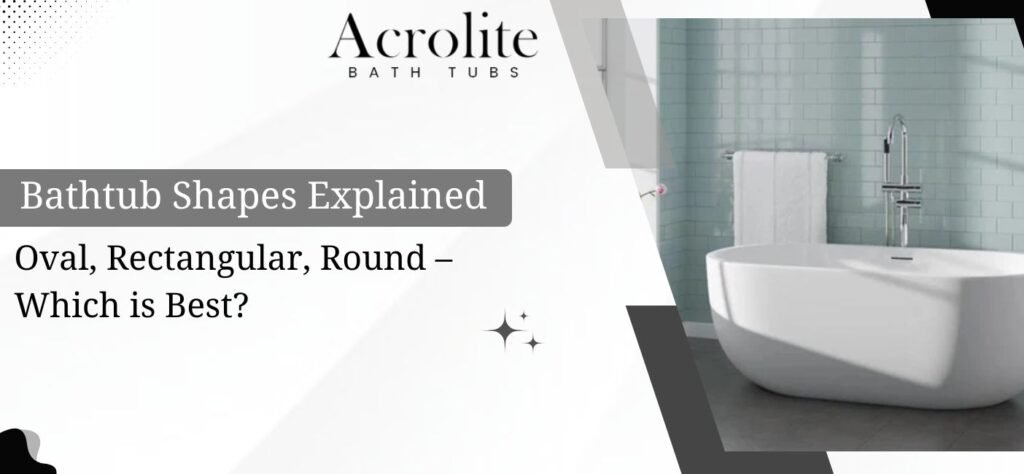
Bathtub Shapes Explained – Oval, Rectangular, Round – Which is Best?
-
By
admin
Choosing the perfect bathtub for your bathroom involves more than just picking a pretty design. The shape of your tub significantly impacts both functionality and aesthetics, affecting everything from space utilization to relaxation quality. Whether you’re considering a standard soaking tub or upgrading to a luxurious massage bathtub, understanding the pros and cons of different shapes will help you make an informed decision.
Understanding Bathtub Shape Fundamentals
The shape of your bathtub determines how it fits into your bathroom space, how comfortable your bathing experience will be, and how it complements your overall design aesthetic. Each shape offers distinct advantages and considerations that can make or break your bathroom renovation project.
Modern bathtubs come in three primary shapes, each designed to serve different needs and preferences. From space-saving solutions to luxurious spa-like experiences, the right shape can transform your daily routine into a rejuvenating ritual.
Rectangular Bathtubs: The Classic Choice
Space Efficiency and Practicality
Rectangular bathtubs represent the most traditional and widely adopted shape in modern bathrooms. Their straight lines and angular design make them incredibly versatile for various bathroom layouts. These tubs typically measure between 60 to 72 inches in length, providing ample space for comfortable soaking while maximizing efficient use of available floor space.
The geometric design of rectangular tubs makes them ideal for corner installations or alcove placements. Their straight edges align perfectly with standard bathroom fixtures and cabinetry, creating a cohesive, streamlined appearance that appeals to minimalist and contemporary design preferences.
Installation and Maintenance Benefits
Rectangular shapes offer practical advantages beyond aesthetics. Their flat surfaces are easier to clean and maintain compared to curved alternatives. The straight edges also simplify installation processes, often resulting in lower labor costs and fewer complications during renovation projects.
For those considering hydromassage bathtub options, rectangular designs provide optimal placement for jet systems. The straight walls allow for strategic positioning of massage jets, ensuring even water circulation and effective therapeutic benefits.
Oval Bathtubs: Elegant Curves and Comfort
Enhanced Comfort and Luxury Appeal
Oval bathtubs combine aesthetic elegance with superior comfort. Their curved design naturally cradles the body, providing better support for your back and neck during extended soaking sessions. The smooth, flowing lines create a sense of luxury and sophistication that elevates any bathroom space.
These tubs typically offer more interior space than rectangular alternatives of similar external dimensions. The curved walls eliminate sharp corners, creating a more spacious feeling and allowing for more comfortable positioning during use.
Design Versatility and Visual Impact
Oval shapes serve as stunning focal points in bathroom designs. Their organic curves soften harsh architectural lines and create visual interest without overwhelming smaller spaces. This shape works particularly well in master bathrooms where the tub serves as a centerpiece element.
The curved design also provides excellent opportunities for creative tile work and decorative elements. Many homeowners appreciate how oval tubs complement both traditional and contemporary design themes, making them a versatile choice for various decorating styles.
Round Bathtubs: Unique Style and Spa Experience
Maximizing Relaxation and Social Bathing
Round bathtubs offer the ultimate in relaxation and luxury. Their circular design provides equal space in all directions, making them perfect for individuals who enjoy stretching out completely during their bath. These tubs often accommodate two people comfortably, making them ideal for couples or families.
The 360-degree design creates an immersive experience that many users find more relaxing than traditional shapes. When configured as a massage bathtub, the circular design allows for optimal jet placement, providing comprehensive coverage for therapeutic benefits.
Space Considerations and Installation Requirements
Round tubs require more floor space than rectangular or oval alternatives, making them suitable primarily for larger bathrooms. They work exceptionally well as freestanding centerpieces in spacious master suites or dedicated spa rooms.
Installation complexity varies depending on the specific model and placement. Freestanding round tubs offer more flexibility in positioning but may require additional plumbing considerations compared to built-in alternatives.
Choosing the Right Shape for Your Needs
Assessing Your Space and Lifestyle
Consider your bathroom dimensions, existing layout, and personal bathing preferences when selecting a shape. Rectangular tubs work best in smaller spaces or standard bathroom configurations, while oval shapes provide a middle ground between efficiency and luxury.
If you’re investing in a hydromassage bathtub, think about how different shapes will accommodate the massage features. Acrolite offers excellent options across all three shapes, ensuring you can find the perfect combination of form and function for your specific needs.
Making the Final Decision
The best bathtub shape ultimately depends on your individual circumstances, preferences, and bathroom layout. Consider factors such as available space, budget, installation requirements, and how you plan to use the tub. Whether you choose rectangular practicality, oval elegance, or round luxury, selecting quality construction from reputable manufacturers like Acrolite ensures lasting satisfaction and performance.
Remember that your bathtub choice will influence your daily routine for years to come. Take time to evaluate all options thoroughly, considering both immediate needs and long-term satisfaction with your investment.